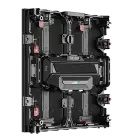
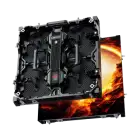
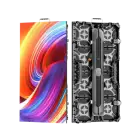
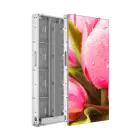
When you walk on the bustling streets of Times Square or the dynamic LED video walls in corporate lobbies and retail storefronts, have you wondered whether it's truly practical or advisable to leave them running around the clock?
If you've ever wondered about this or want to learn about strategic management of its power, then this guide is just for you.
First, long-term turning off is a big NO for nearly all gears. If the screen is stored for long periods, power it on periodically to prevent moisture buildup and maintain component health.
However, the 24/7 running will put a very high burden on the electronics of the LED video wall, which will shorten its lifespan. Therefore, a strategic time-off will leave them some time to dissipate and “restore”.
It is commonly recommended to set a 2-hour downtime for indoor LED displays and for outdoor LED displays, give them a break during midday, especially in the summer, due to the skyrocketing temperatures.
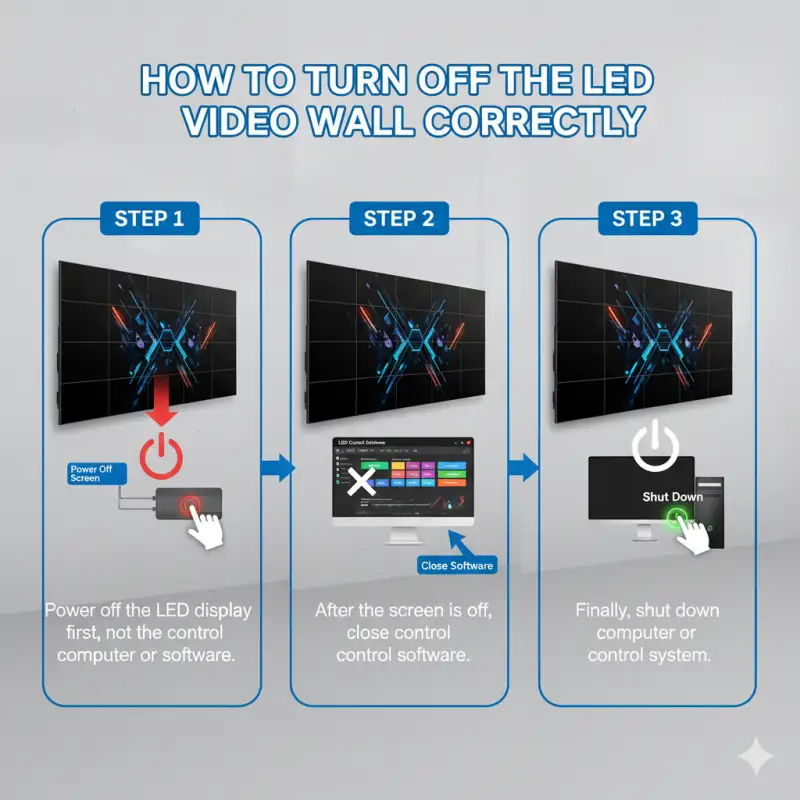
Step 1: Power off the LED display first, not the control computer or software.
Step 2: After the screen is off, close the control software.
Step 3: Finally, shut down the computer or control system.
Always maintain at least a 5-minute interval between turning off and turning on the display again to avoid thermal shock and component stress. And do not turn the display on and off frequently in a short period, as this can accelerate aging and damage components.
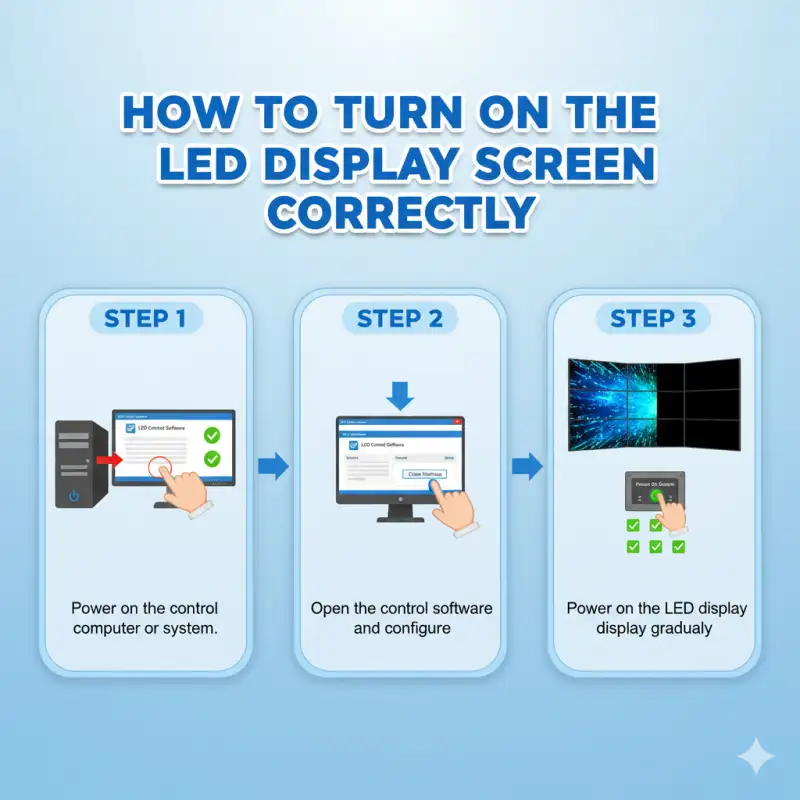
Step 1: Power on the control computer and ensure all parameters are set correctly.
Step 2: Open the control software and configure the display area.
Step 3: Gradually power on the LED display, following the connection order. Confirm each section is working before proceeding to the next.
If any part does not function, stop and troubleshoot before continuing.
Lifespan takes a large part in the ROI, and power consumption matters, too. Almost all LED display manufacturers strive for greater energy efficiency, but how much power do the big LED displays consume?
While a single LED is incredibly efficient, a typical video wall is made up of thousands of individual LED wall panels, each containing countless LEDs.
The combined power draw of all these modules, especially when running at high brightness, a necessity for an LED outdoor display to combat sunlight, adds up to a considerable amount. This is a crucial consideration for any business planning a new LED video wall installation.
The power consumption of an LED display can vary dramatically based on its size, brightness, and whether it's an indoor or outdoor model.
Outdoor displays, for example, often require more power to achieve the brightness needed to be visible in direct sunlight. A large-scale indoor video wall may have a maximum power consumption of around 120W per 500x500 panel, while a comparable outdoor panel could be more than double that, reaching 260W. This difference in power density is a key factor in calculating your operational costs.
Use this simple formula to calculate the power consumption of an LED screen.
36 m²
600 W/m²
60%
36 m² × 600 W/m² × 0.60 (60%)
Total Consumption:
12,960 Watts
This consumption level can translate into significant operational expenses, especially for large-scale installations that run for extended periods. Understanding this calculation is key to managing energy costs effectively.
Another direct result of high power consumption is heat. All the energy used to power the display doesn't just create light; it also generates heat.
This heat can impact the performance and lifespan of the components, which is why proper ventilation is a key part of any LED video wall installation.
Additionally, a large video wall can increase the ambient temperature of its surrounding environment, potentially forcing air conditioning systems to work harder and increasing cooling costs.
![[2025 DOOH Maintenance Guide] Should We Turn Off LED Video Wall Regularly?](/media/tmp/webp/detail/3be9cfadf6ba4bf1e2588bdfc03af0f6.webp)
A truly efficient LED video wall installation incorporates a variety of techniques to minimize power draw without compromising performance. As a leading LED display manufacturer, LAMPRO offers solutions that are engineered with energy efficiency in mind.
Modern LED controllers and software can be programmed to automatically power down or dim the display during off-hours. This hands-off approach ensures your display is only using full power when it's needed.
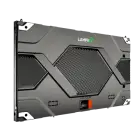
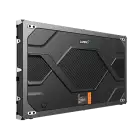
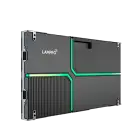
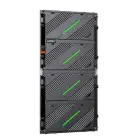
The displays you choose have the biggest impact on long-term power consumption. Investing in high-quality, energy-efficient LED wall panels is important. We highly recommend:
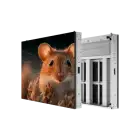
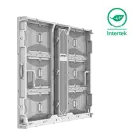
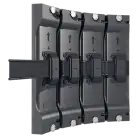
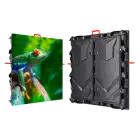
With a full die-casting aluminum body, it can handle extreme weather conditions with ease. It is also “cool under pressure.” The SMD LED display tackles this with an advanced cooling system.
Its unique design, with hollow areas and cooling strips, keeps it 15 degrees Celsius cooler than traditional black cabinets. The superior heat dissipation, a high tolerance for modules, and IP65 protection on both the front and rear ensure stable performance. It can operate in temperatures from -20°C to 50°C.
What’s even remarkable is its use of gold-wire LEDs. Unlike the standard silver, copper, or aluminium bonding, the upgrade brings ultra corrosion resistance, and thus reaches a longer lifespan. The typical lifetime value is rated at 100,000 hours.
Power consumption is another reassurance for the users. The LST Series utilizes a low-voltage energy-saving design that saves 12% more energy compared to conventional displays with the same configuration.
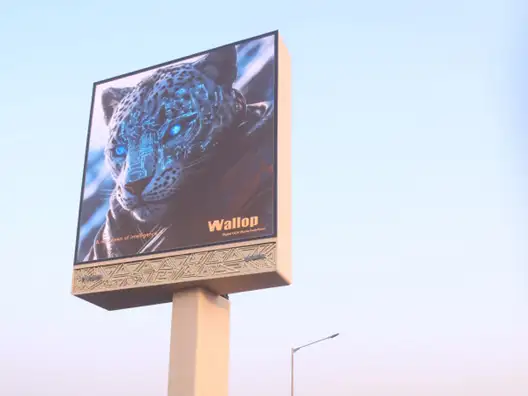
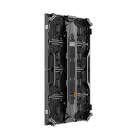
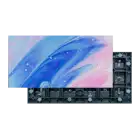
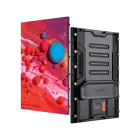
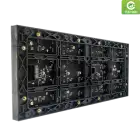
The LAMPRO LXⅡ Series is a fixed outdoor LED display built with a high-strength, die-casting Aluminium cabinet. The HD display is superior in its smaller pixel pitch, meaning a higher pixel density and higher resolution.
Besides, this series is designed for durability, featuring an IP65 high protection rating for both the front and rear. Its typical lifetime value is also 100,000 hours.
LXⅡ SMD LED display is highly efficient, with a typical AC input power of 216 ±10% W/m2 and a maximum value of 650 ±10% W/m2. The display can operate in a wide range of temperatures from -40°C to 50°C. The design also facilitates easy rear maintenance.

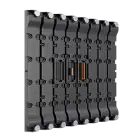
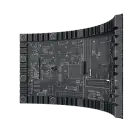
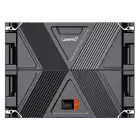
The LMini P Series is a high-performance indoor fixed LED display using COB LED technology. It comes in a variety of pixel pitches, from P0.9 to P1.9, with a high grayscale of 16-bit and a refresh rate of 3840Hz.
This LAMPRO LED is built with a die-casting Aluminium cabinet for effective heat dissipation and a low-voltage design that ensures energy efficiency and lower power consumption. The display can work in a wide temperature range, from -10°C to 40°C, and is designed for both front and rear maintenance.
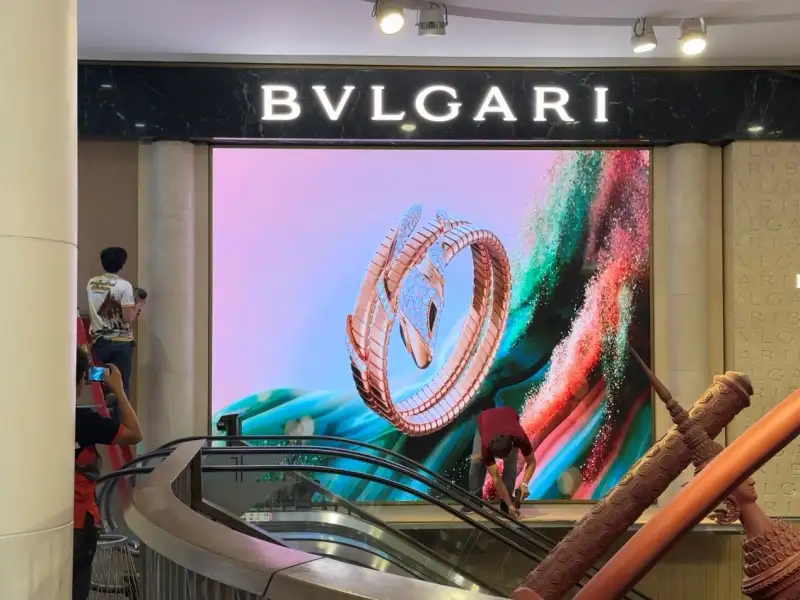
The content displayed on your screen directly affects power consumption. Bright, white content uses more energy than darker content. By optimizing your visuals with darker backgrounds and strategic highlights, you can reduce the power draw of your big LED display without losing visual impact.
Many advanced systems utilize smart sensors to dynamically adjust brightness based on ambient light. Regular color and brightness calibration also ensures the display is operating at peak efficiency, preventing modules from being overdriven.
Routine maintenance ensures that your flexible LED display screen is running optimally. Cleaning and checking for proper ventilation can prevent components from overheating.
Furthermore, keeping your system's software and hardware up-to-date with newer, more efficient technologies can continue to drive down power usage over time.
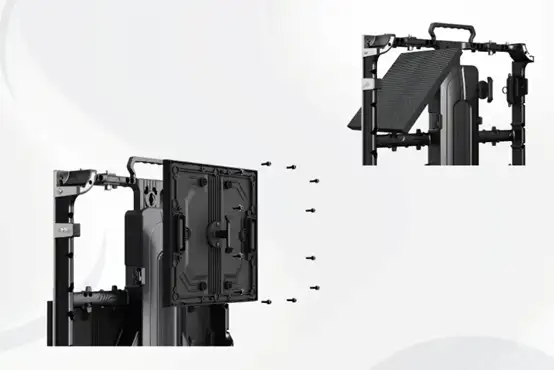
By combining our advanced, energy-efficient LED wall panels with a smart operational strategy, you can get the most out of your display and truly power it with purpose. Contact a LAMPRO LED team today to discuss your project and discover our full range of products.
https://refreshled.com/blog/how-to-calculate-led-display-power-consumption
https://www.lenovo.com/us/en/glossary/high-definition/
https://www.unilumin.com/blog/how-to-turn-on-off-led-screen-correctly.html
https://www.doitvision.com/gold-wire-vs-copper-wire-led/
https://www.vistarmedia.com/blog/what-is-dooh