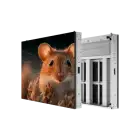
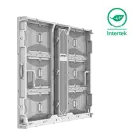
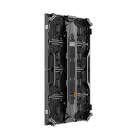
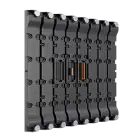
Successful winter protection for LED screen panels relies on three technical pillars: IP66-rated sealing to block moisture, low-temperature power supplies for reliable ignition, and a consistent "soft-start" pre-heating routine.
These measures prevent component failure, brittle mask cracking, and short circuits caused by melting snow in extreme environments.
Winter presents two primary enemies to outdoor LED display panels: moisture and structural stress.
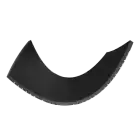
When snow accumulates on a screen, the heat generated by the LEDs causes it to melt. This water can seep into microscopic gaps, leading to corrosion or catastrophic short circuits. Furthermore, standard plastic masks often become brittle at sub-zero temperatures, leading to cracks that expose the internal electronics.
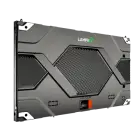
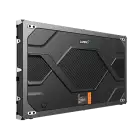
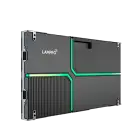
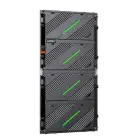
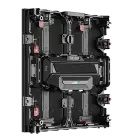
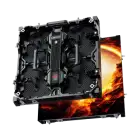
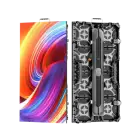
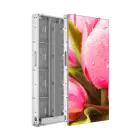
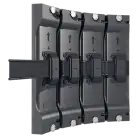
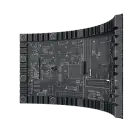
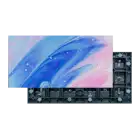
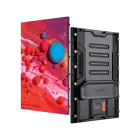
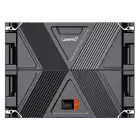
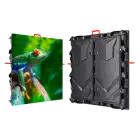
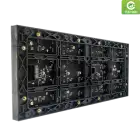
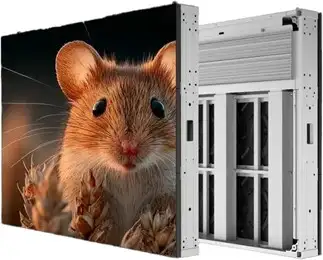
For high-reliability projects, choosing winter-grade panels is essential. Below is a comparison between standard commercial units and professional-grade solutions like the LAMPRO LST and LS Pro series.
| Feature | Standard Panels | Winter-Grade (LAMPRO LST/LS Pro) |
|---|---|---|
| Operating Temp. | -20°C to +50°C | -40°C to +50°C |
| Cabinet Material | Molded Plastic / Thin Steel | Die-cast Aluminum |
| Protection | IP65 (Water Resistant) | IP66 (High-Pressure Protection) |
| Durability | High risk of brittle cracking | Superior thermal expansion control |
When selecting an LED display screen for advertising outdoor use in cold climates, the internal hardware must meet specific industrial standards to avoid "black screens" during a freeze:
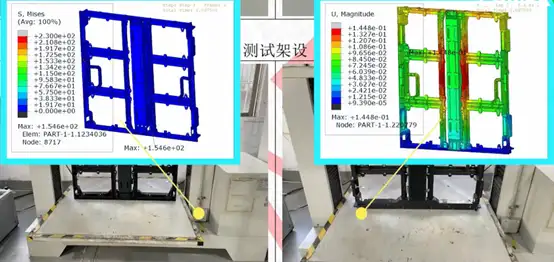
If LED screen panels have been off in freezing weather, powering them to 100% immediately can cause a "thermal shock." Follow this "Soft Start" guide to safely evaporate frost and moisture:
→ Read the full DOOH Maintenance Guide
The electronics don't "freeze" in the traditional sense, but materials like plastic masks can become brittle and crack. Specialized LED screen panels outdoor are designed with materials that maintain flexibility at -40°C.
For most modern displays like the LS Pro Series, a dedicated heater isn't required because the LEDs generate enough heat during the "Soft Start." However, in arctic conditions (below -40°C), internal climate control may be recommended.
When cold air hits a warm screen, condensation forms. This is why IP66 sealing is essential for any LED display screen for advertising outdoor—it keeps that "internal dew" away from sensitive electronics.
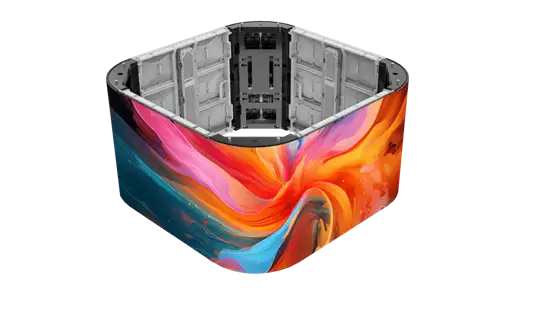
Protecting your investment in LED screen panels during winter requires a combination of high-spec hardware and disciplined operation. Die-cast aluminum cabinets and the soft-start method will be the main safeguard for your outdoor advertising, durability and vibrancy.
Explore the LAMPRO LST Series for robust, winter-ready performance, or contact our team for a detailed technical consultation.
↑